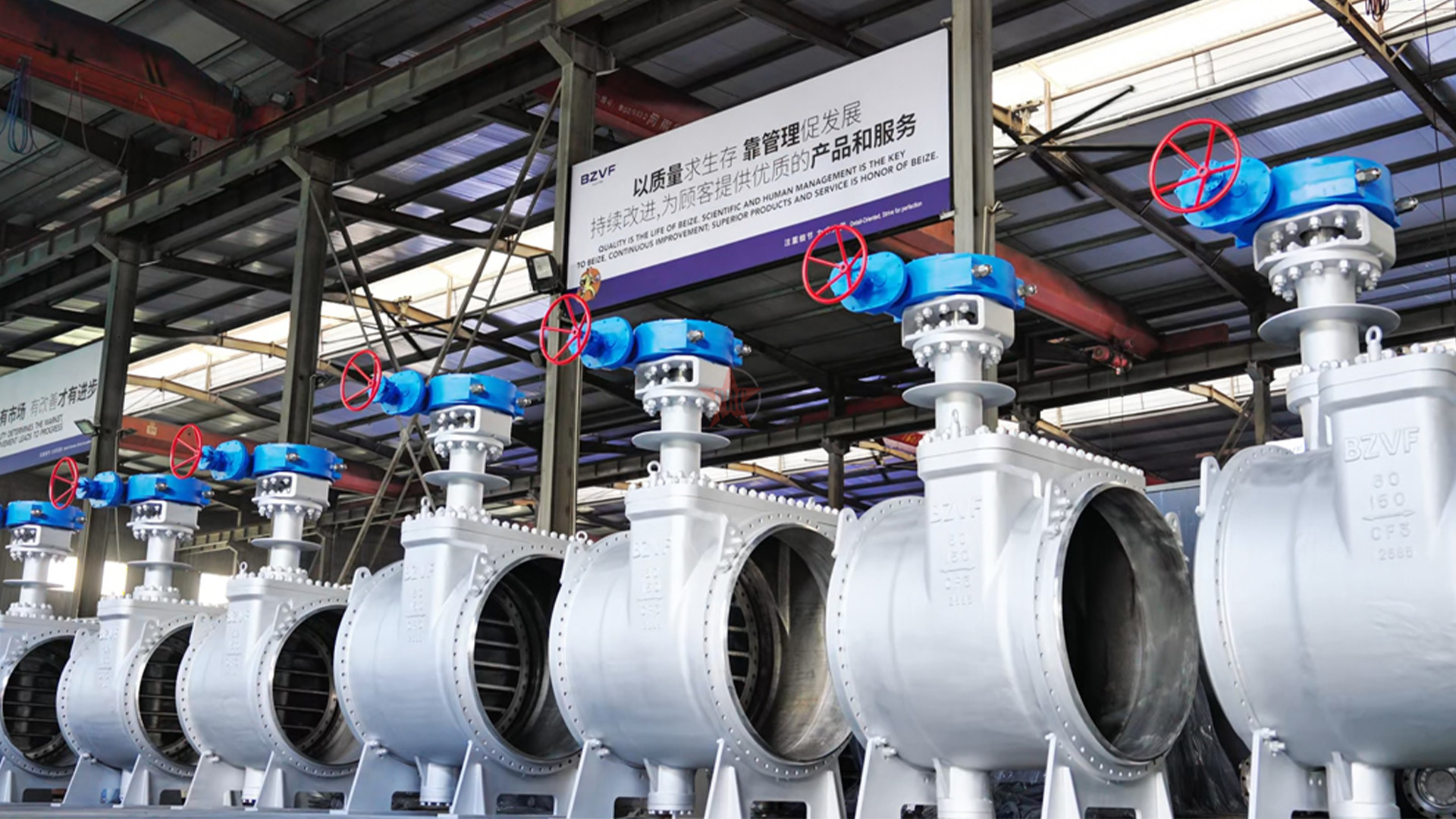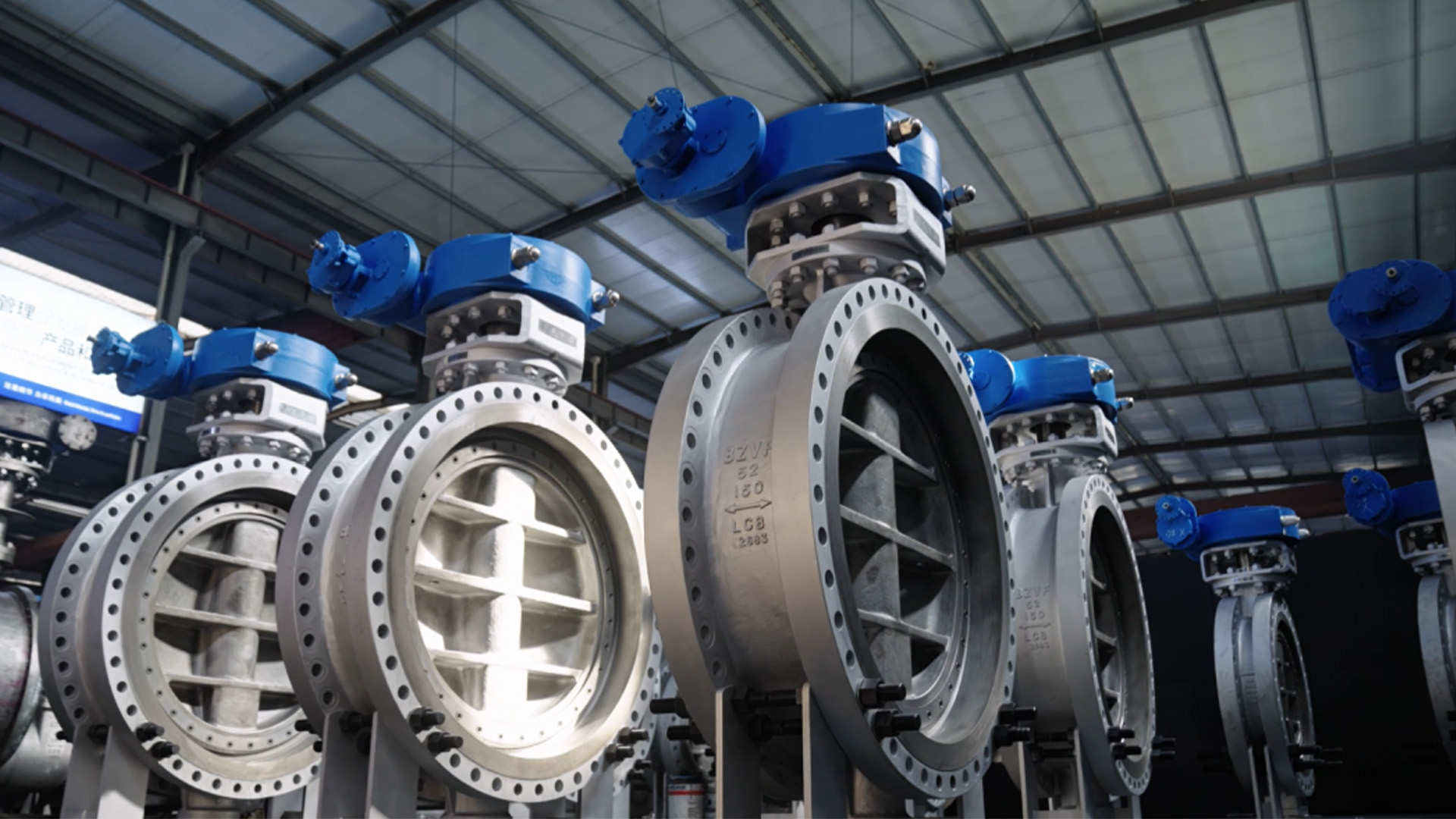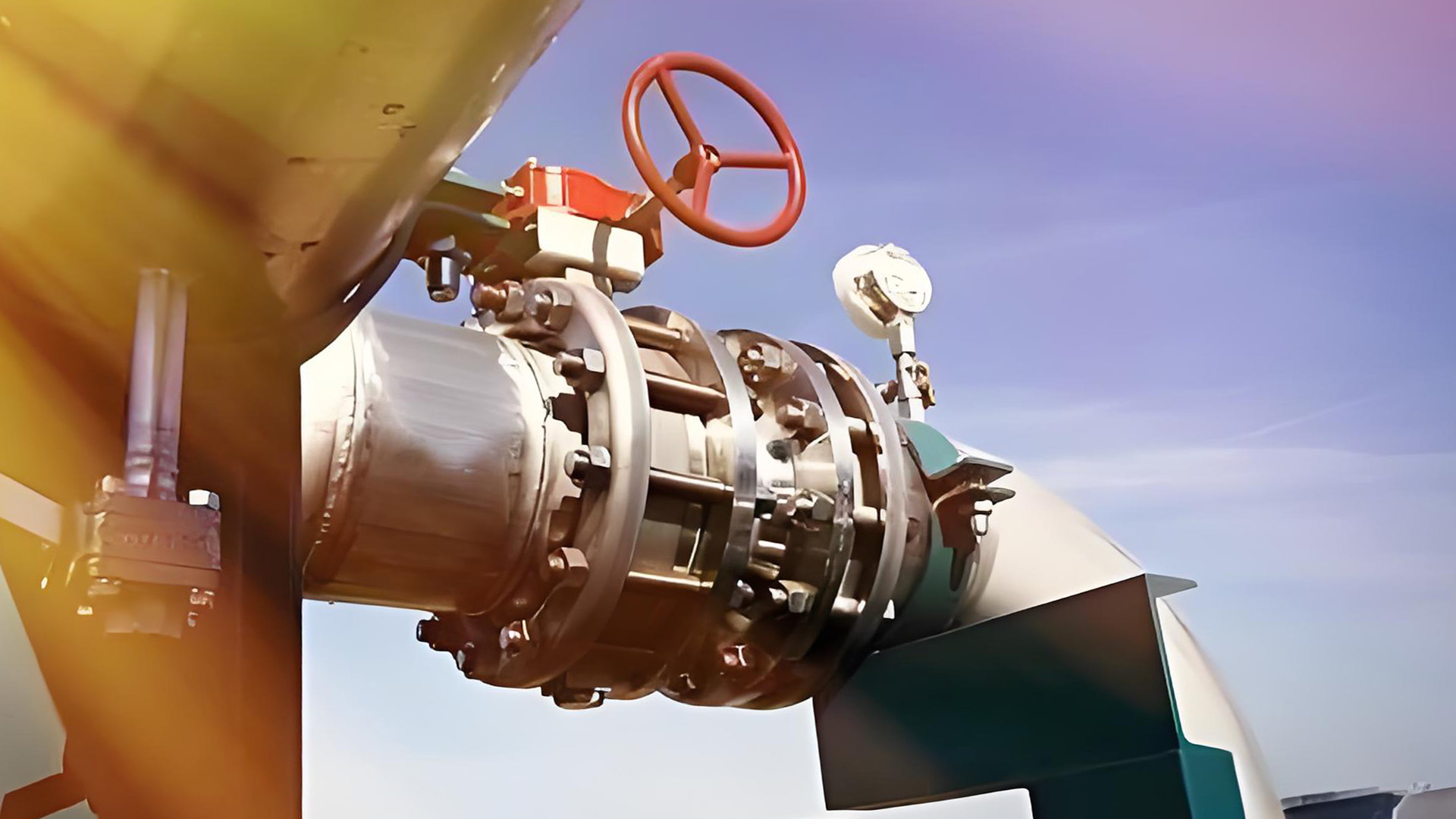

In the rapidly expanding ultra-low temperature process, valves are no longer just fluid control equipment, but core components related to system stability, safety, and process continuity.
With over 30 years of technological accumulation, Beize Valve Group has extended the traditional butterfly valve structure to the deep cryogenic temperature range, achieving reliable control from conventional low temperature to liquid helium temperature range, and becoming a basic equipment in various fields such as liquefied gas, air separation, aerospace, and superconducting technology.
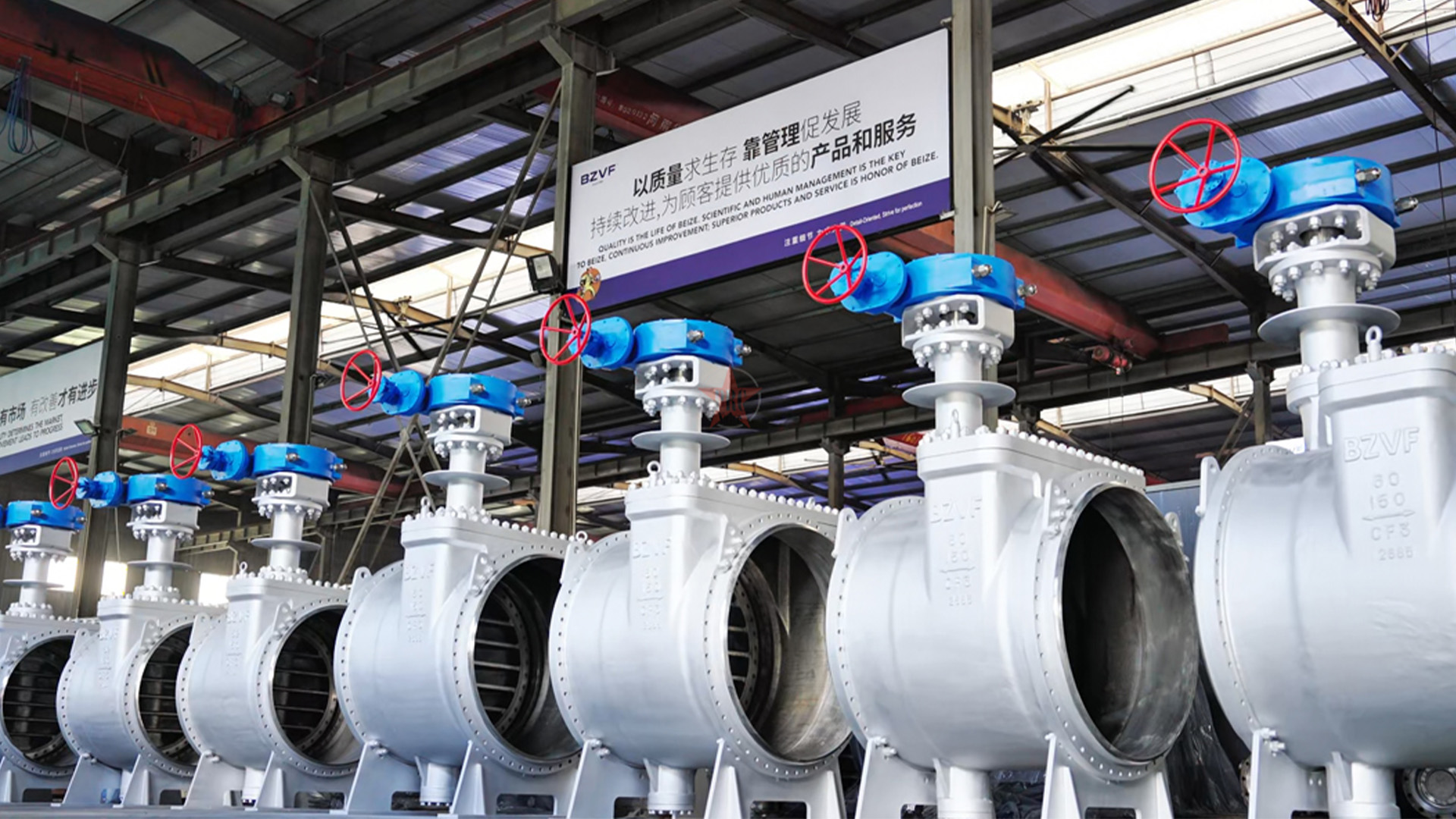
Full temperature coverage and reliable adaptation
The core value of Beize ultra-low temperature butterfly valve lies in its adaptability to extremely wide temperature ranges. From conventional refrigeration conditions, to deep low-temperature media such as liquefied natural gas and liquid ammonia, and to extreme cryogenic environments such as liquid hydrogen and liquid helium, this series of butterfly valves maintains stable sealing and structural integrity in different temperature zones.
This is due to its continuous technological evolution in materials, structure, and process, which enables the valve to operate reliably under harsh conditions such as metal embrittlement, low-temperature shrinkage, and complex medium characteristics.
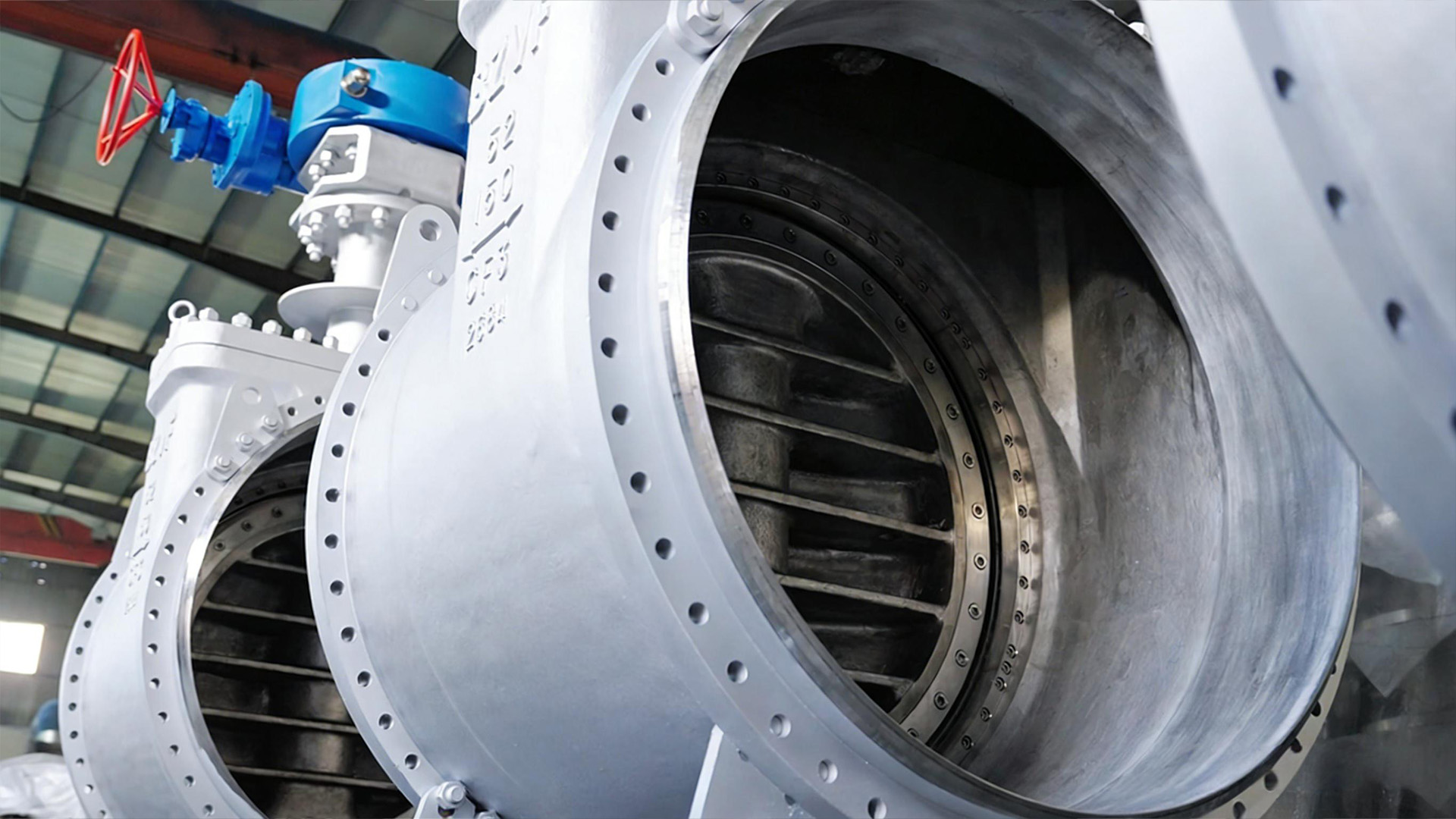
Multi eccentric seal with high reliability
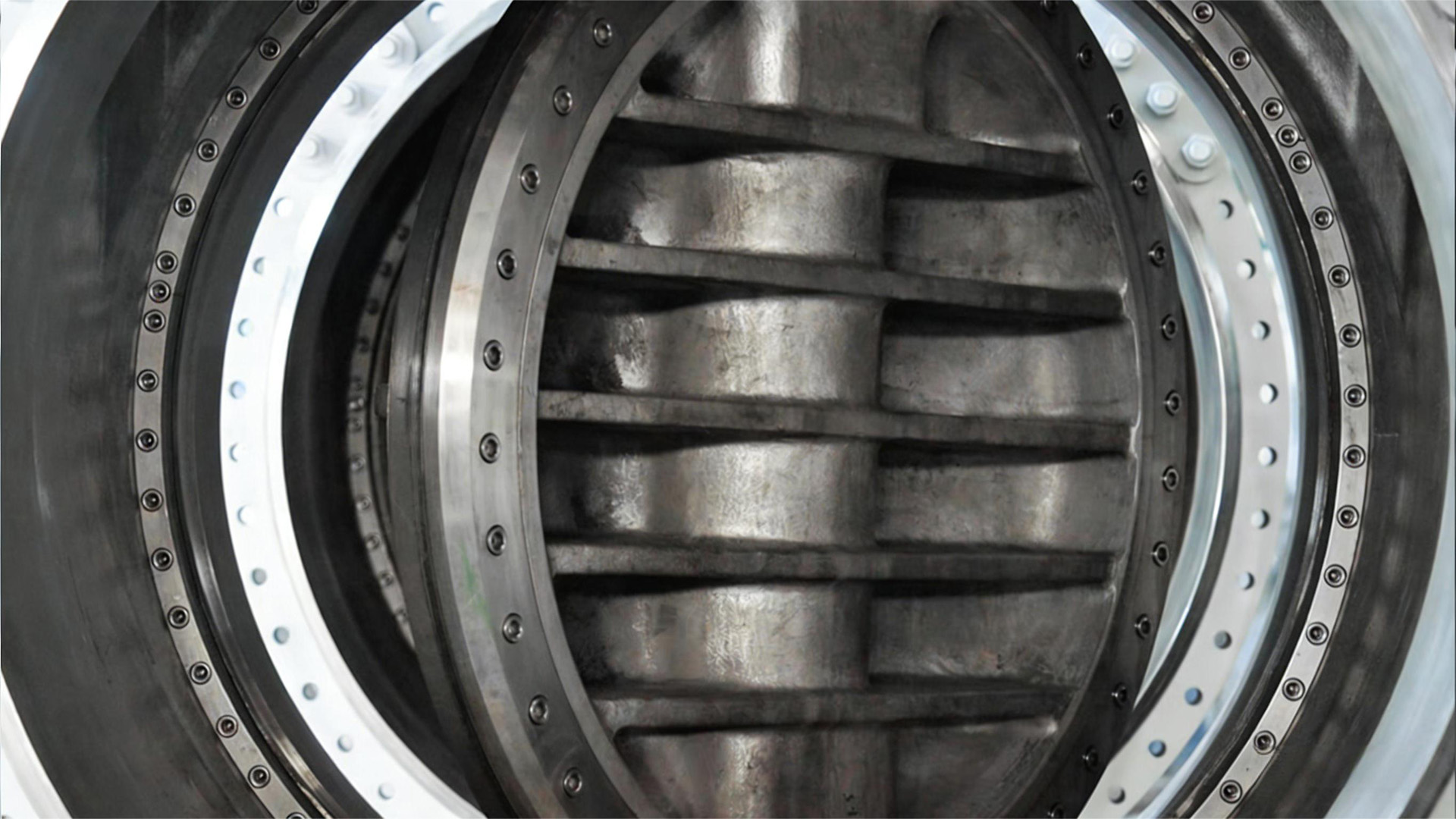
In cryogenic environments, the common sealing methods for high-temperature conditions are no longer sufficient to meet usage requirements. Beize adopts metal sealing technology with multiple eccentric structures, and can choose a combination of soft or hard seals according to the working conditions to minimize friction and wear of the valve plate during opening and closing.
In the temperature range of liquid nitrogen and liquid helium, this structure has particularly prominent advantages: it avoids sealing surface failure caused by temperature difference shrinkage; Reduce sealing pair wear and prolong service life; Maintain near zero leakage sealing performance under cryogenic conditions.
Engineering adaptation and system assurance
The Beize ultra-low temperature butterfly valve not only focuses on the performance of a single valve, but also emphasizes the system level engineering adaptability. When designing valves, full consideration should be given to cryogenic impact, thermal expansion differences, fire and anti-static requirements, as well as the convenience of on-site installation and maintenance.
Whether it is large tank discharge valves, liquefied natural gas receiving station pipelines, or low-temperature circulation systems in research laboratories, their products can provide long-term and reliable fluid control solutions, reducing risks and improving efficiency for engineering projects.
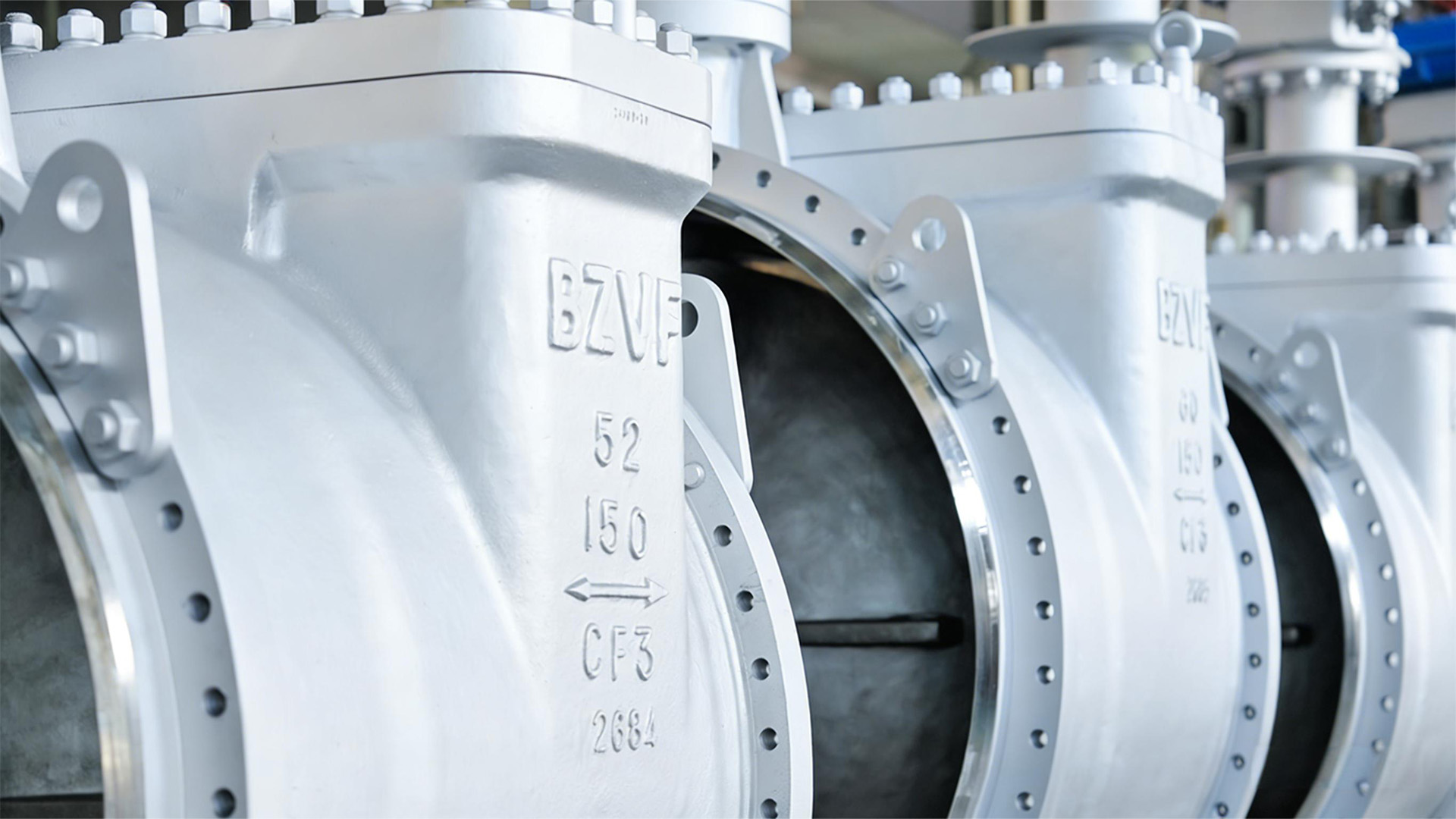
Exploring the Future · Cryogenic Pioneer
Looking towards the future, Beize will continue to deepen the research and development of cryogenic valves and fluid control technology, continuously optimize product structure and material systems, and promote the high reliability control of various valves under more extensive and extreme working conditions.