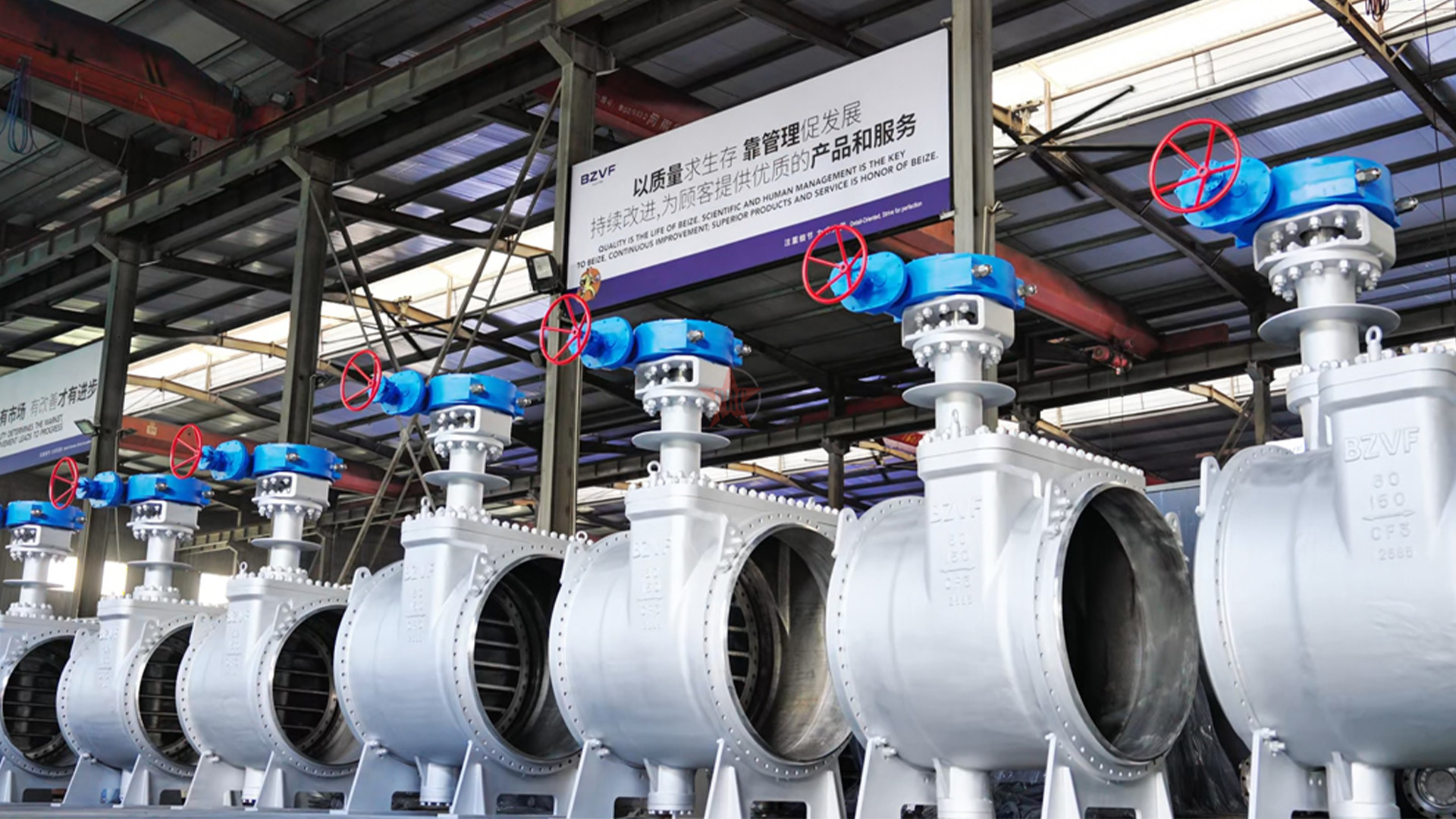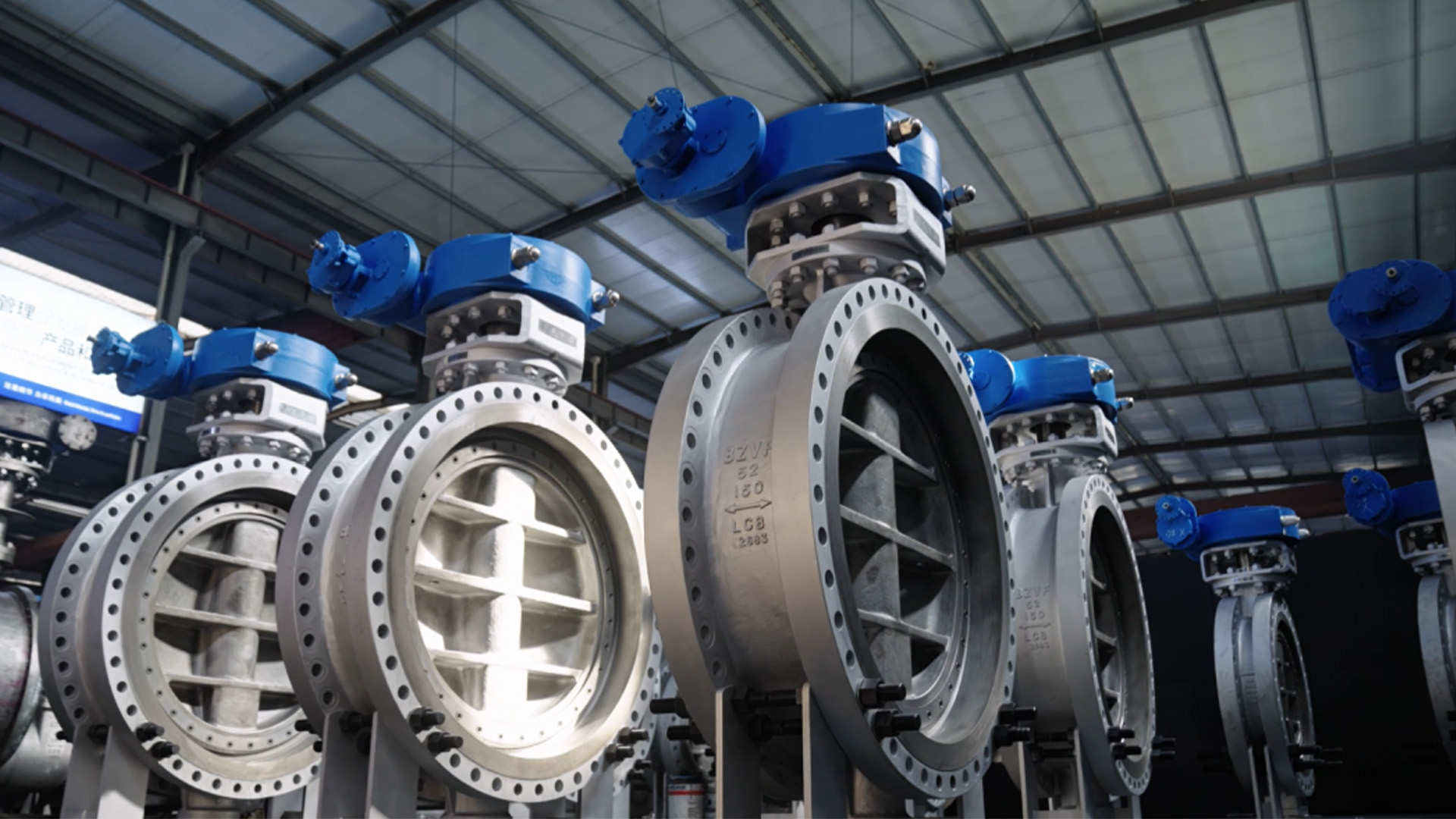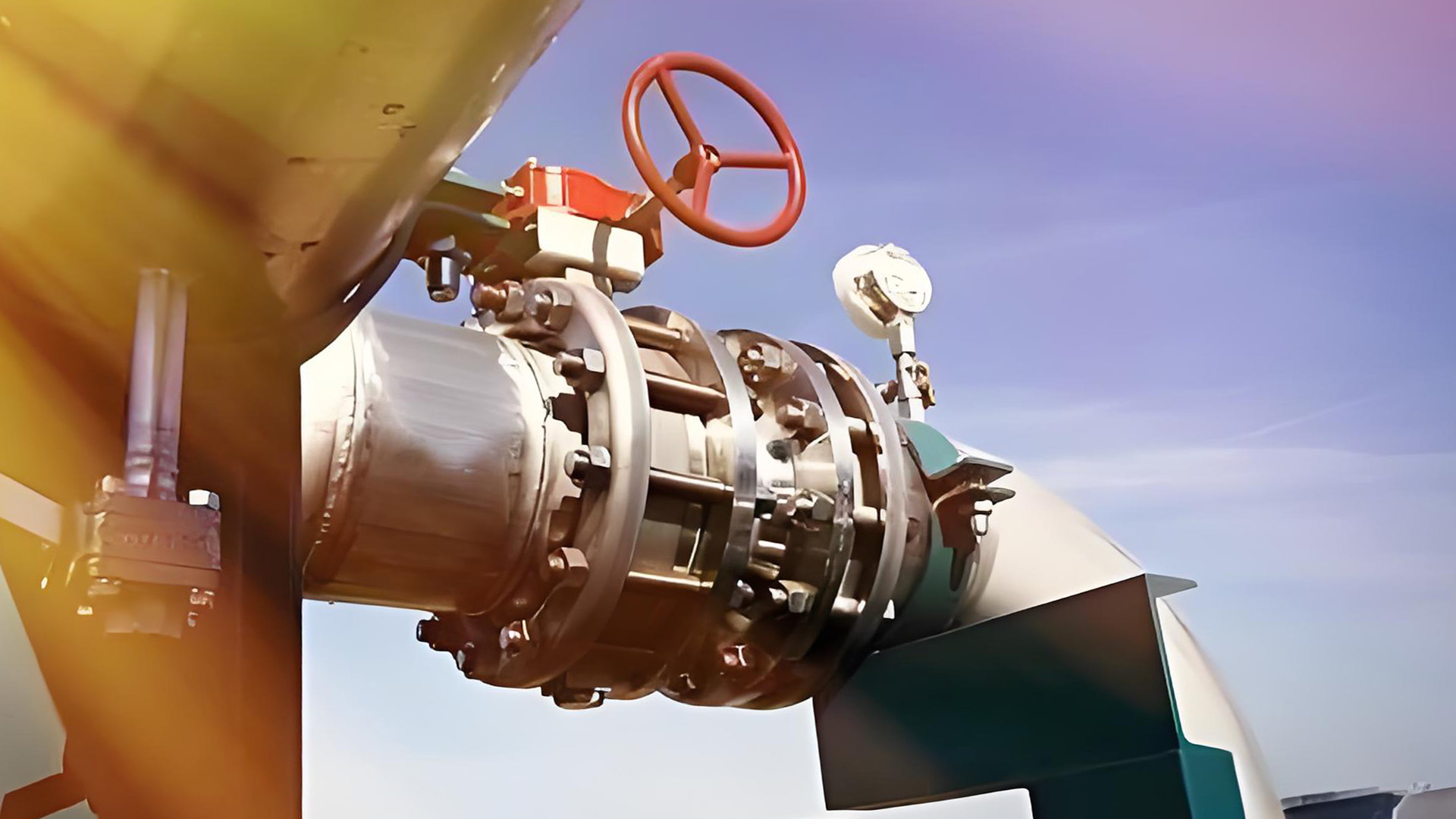

In modern industrial systems, control valves are widely used to regulate the flow, temperature, Pressure and other key parameters. As the ultimate control component, the control valve is crucial for the stable operation of the system. This article will delve into the basic structure and working principle of control valves, the classification of actuators and valve body components, the key points for using common control valves, and provide reference for valve selection.
1、 Structural composition of control valve
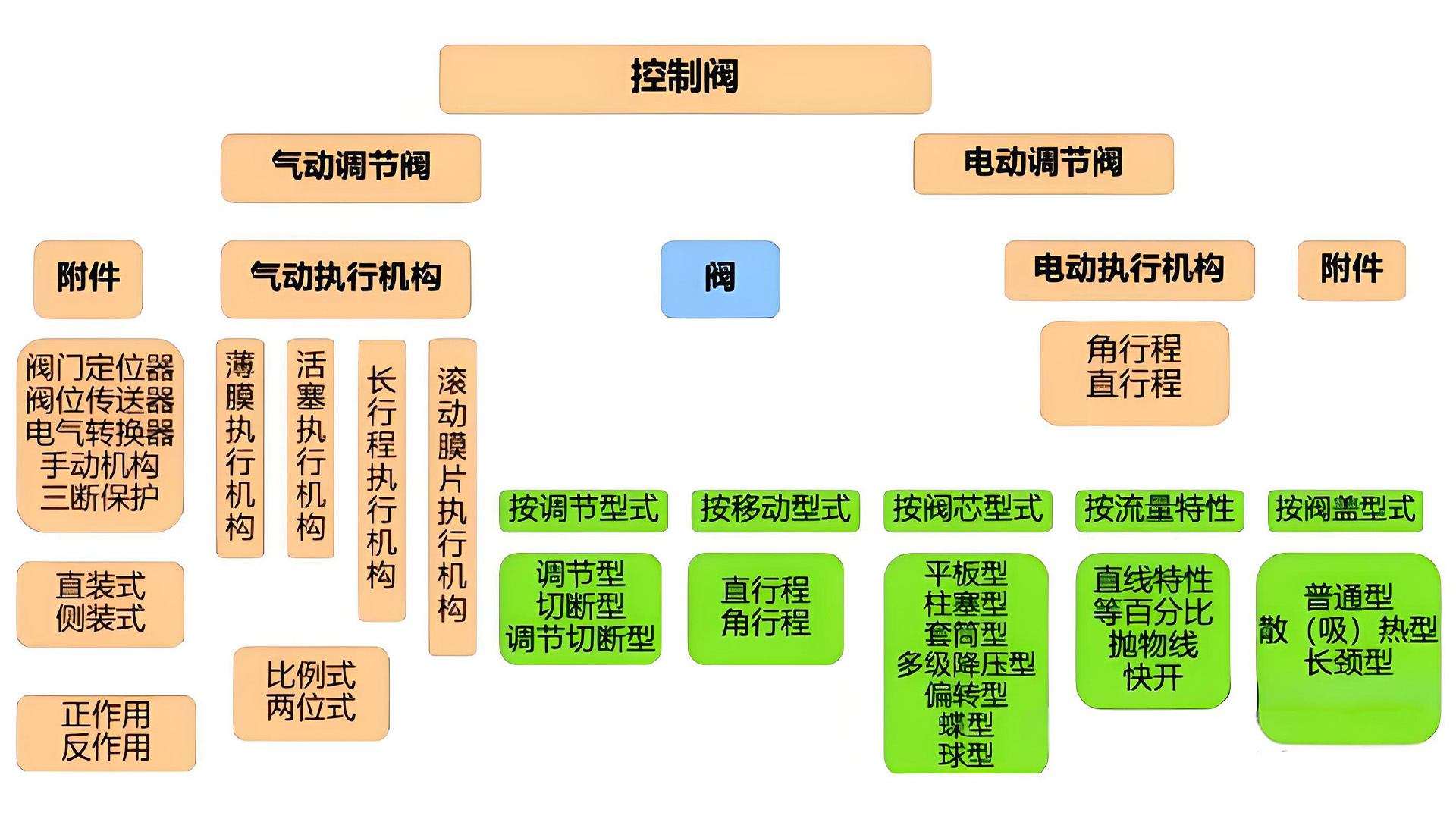
A control valve typically consists of three main parts: valve accessories, actuator, and valve body components.
Valve accessories: including filters, pressure reducing valves, electrical valve positioners, handwheel mechanisms, valve position switches, valve position transmitters, and pneumatic solenoid valves. They are used to support valve functions such as precise control, feedback signals, and leak detection.
Execution mechanism: The execution mechanism is the power device of the control valve, responsible for providing thrust according to the control signal, thereby driving the valve core action of the valve. Execution mechanisms can be divided into three categories: pneumatic, hydraulic, and electric, with pneumatic actuators being the most common. The pneumatic actuator controls the opening and closing of the valve according to the change of signal Pressure, which is divided into two types: positive action and reaction.
Valve body parts: the valve body parts are the regulating parts of the control valve, which directly contact with the fluid medium and change the flow, temperature or Pressure through the displacement of the valve core. The type of valve body varies according to different working conditions, and common ones include straight through single seat globe, eccentric rotation, ball valve, butterfly valve, etc.
2、 Classification and role of executing agencies
The type of actuator determines the response speed and operational stability of the control valve. The common categories of executing agencies are as follows:
Pneumatic thin film actuator: mainly used for small and medium-sized valves, with a simple structure, reliable action, and easy maintenance. Suitable for situations that require small response time and high adjustment accuracy.
Pneumatic piston actuator: divided into single acting and double acting cylinders. Double acting cylinders are suitable for situations that require greater thrust and stroke, such as large-diameter valves.
Electric actuator: Electric actuators are usually used in places that require long-term operation or are difficult to connect to compressed air, and are suitable for situations where high adjustment accuracy is required.
3、 Classification of valve body components
The form of the valve body directly affects the flow characteristics, Pressure loss and application range of the control valve. Common types of valve bodies include:
Direct single seat globe control valve: suitable for most conventional applications, with good flow characteristics and low pressure loss.
Eccentric rotary control valve: suitable for media with high viscosity, simple flow path, stable operation, suitable for controlling high flow and viscous media working conditions.
Ball valve body and butterfly valve body: suitable for situations with fast opening and closing and small flow control, especially for high-pressure and low flow conditions.
Wedge gate valve body: usually used for emergency shut-off valves, with strong shut-off performance.
4、 Parameters of control valve characteristics
The selection of control valves needs to be judged based on multiple parameters to determine their applicability. Common parameters include:
Traffic characteristics: There are usually various types such as linear, equal percentage, and fast opening. Linear characteristics are suitable for working conditions with high precision requirements for flow regulation, while equal percentage characteristics are suitable for situations with large pressure differences.
Cv value: represents the flow capacity of the valve, which is the maximum flow rate through the valve per unit time. The magnitude of Cv value determines the flow range of the valve when fully open.
Adjustable ratio R: It is the ratio of the maximum flow rate to the minimum flow rate. The higher the R value, the higher the adjustment accuracy of the valve.
Pressure loss: the Pressure drop caused by the control valve when the fluid passes through, the valve with low pressure loss needs to be selected according to the actual working condition to ensure the efficiency of the system.
Leakage rate: The leakage rate of a valve in the fully closed state, usually used to evaluate the sealing performance of the valve.
5、 Application scenarios of common control valves
According to the type of medium, flow range, and accuracy requirements, different types of control valves are suitable for different application scenarios:
Pneumatic diaphragm control valve: commonly used in temperature, Pressure and flow control systems. It has the advantages of simple structure, low price, and high adjustment accuracy.
Eccentric rotary control valve: widely used in applications with high viscosity, such as the chemical and petroleum industries, with large flow capacity and reliable sealing performance.
Pneumatic cut-off valve: suitable for emergency cut-off and cut-off when the flow rate is high, widely used in industries such as metallurgy and energy.
Pneumatic cut-off butterfly valve: used in situations with high flow and low pressure loss, especially suitable for controlling gases and liquids.
6、 Key points for installation and maintenance of control valves
The correct installation and maintenance of control valves are crucial for their long-term stable operation. Here are several key points for installation and maintenance:
Installation requirements: The control valve should be installed according to the manufacturer's requirements, usually vertically to ensure a smooth valve body and provide sufficient space for operation and maintenance.
Regular inspection: Regularly conduct strength tests, airtightness tests, stroke tests, etc. on control valves to ensure their sealing performance and regulating function.
Avoid vibration: Valves should be kept away from vibration sources and anti vibration devices should be installed if necessary to prevent valve damage caused by vibration.
Temperature and Pressure protection: for high temperature, low temperature or high pressure media, the control valve shall take corresponding temperature protection and Pressure control measures.
Control valves are widely used in process industries, and different types of control valves are suitable for different working environments and process requirements. Choosing the appropriate control valve can not only improve production efficiency, but also extend the service life of the system. Users shall comprehensively consider factors such as medium type, flow requirements, adjustment accuracy, Pressure grade, etc. when selecting models to ensure that the valve can operate stably under the predetermined working conditions. Meanwhile, good installation and maintenance management are of great significance for the long-term reliability and system safety of valves.