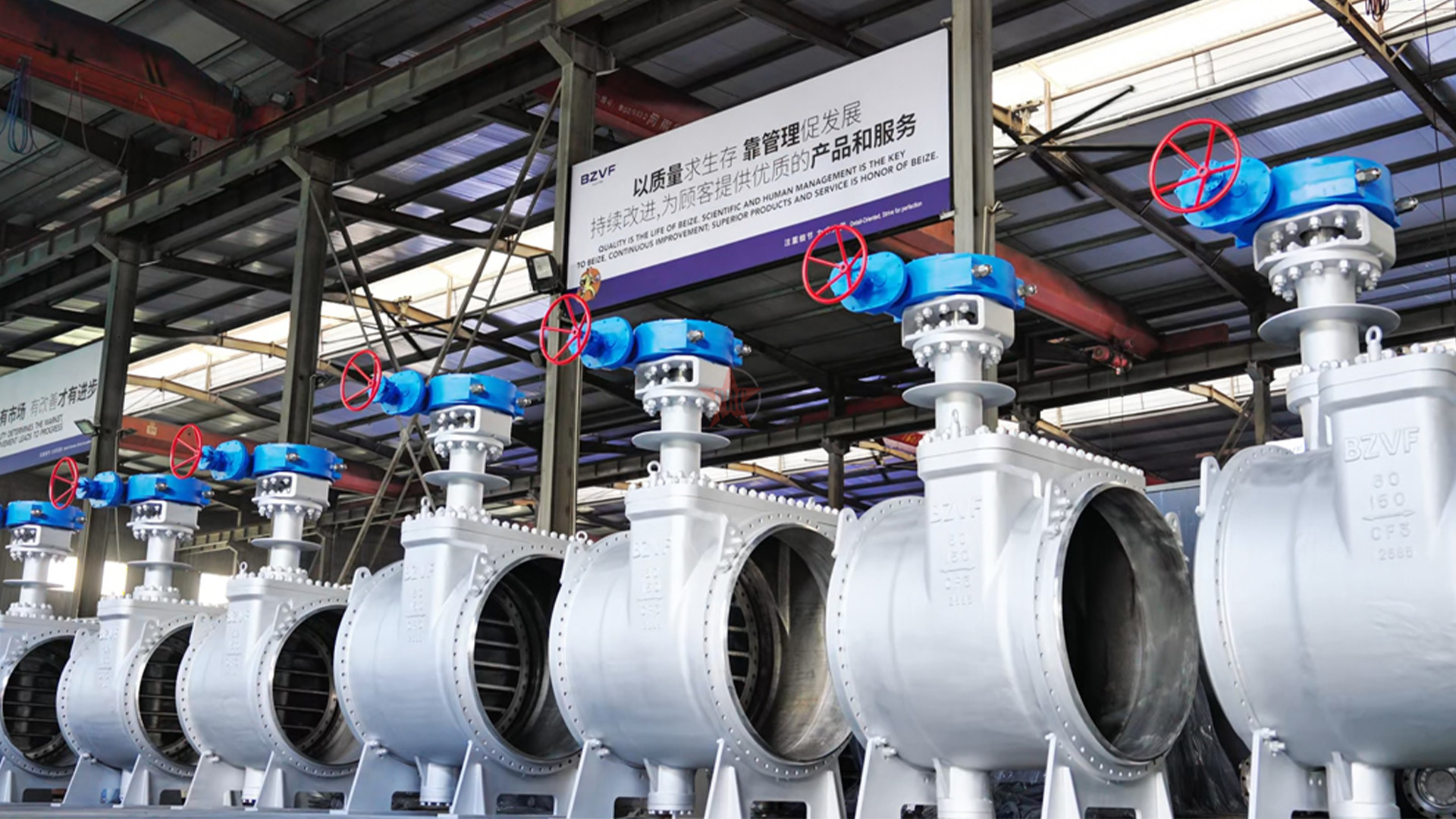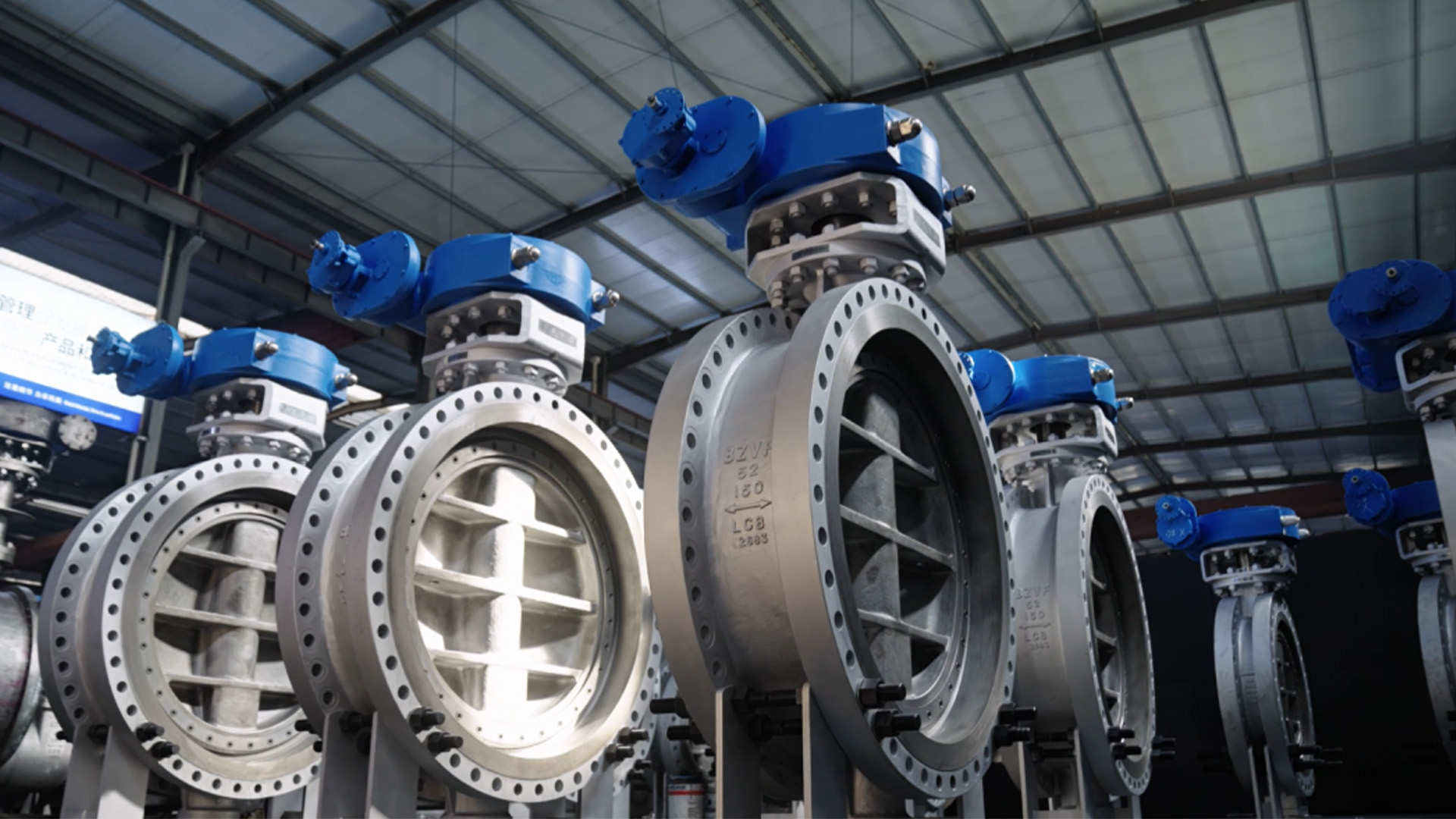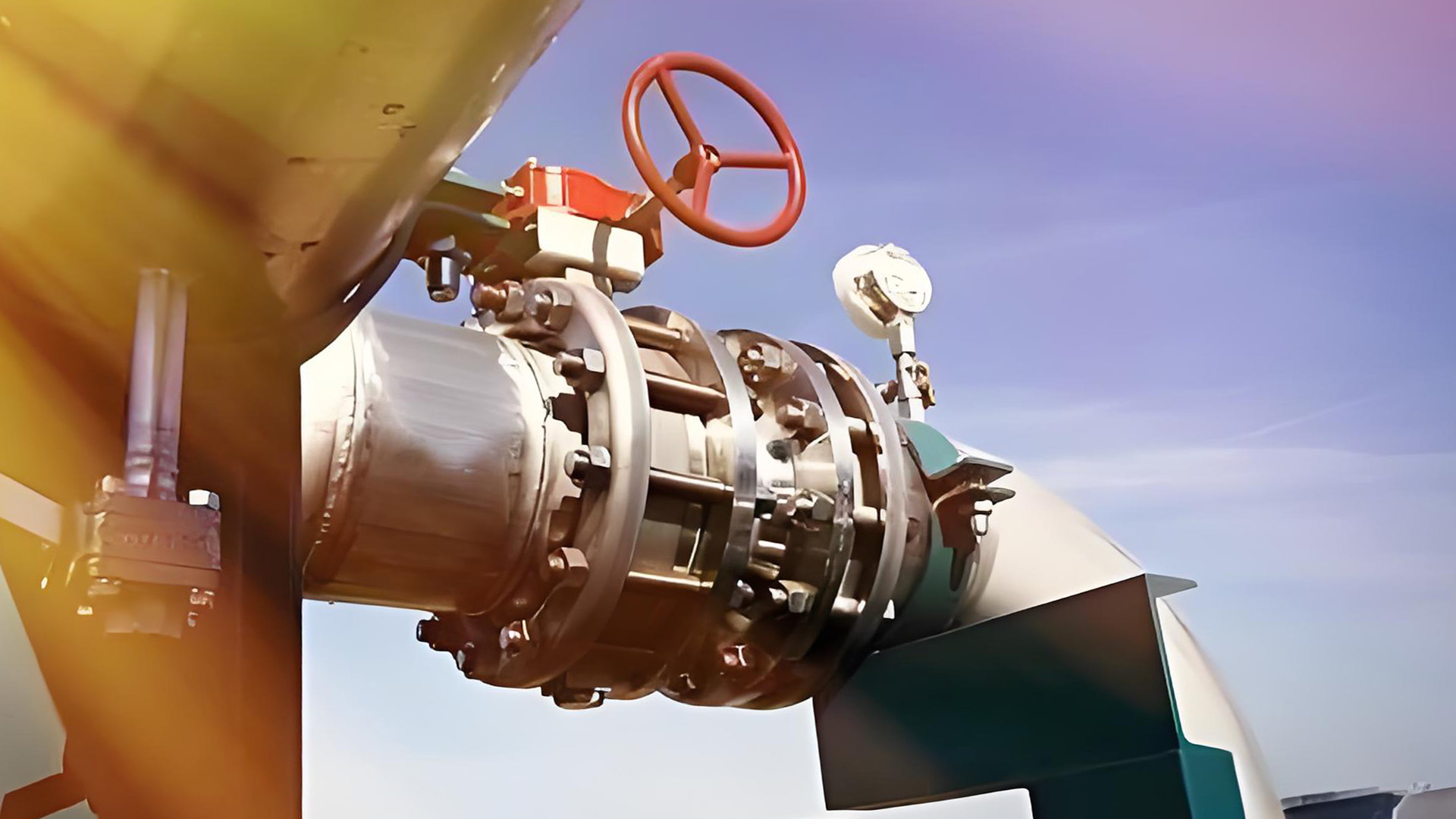

As an important actuator in industrial automation control systems, valves are mainly driven by two types: electric and pneumatic. With the improvement of industrial automation level, valve drive technology continues to advance. Electric valves and pneumatic valves have their own advantages and limitations, and are widely used in various fields such as petrochemicals, electricity, food and medicine, and water treatment. This article will systematically explore the technical characteristics of two types of valves from the aspects of basic definitions, working principles, performance advantages and disadvantages, typical applications, and selection suggestions, in order to help industry users achieve scientific selection and efficient management.
1、 The basic structure and working mechanism of electric valves and pneumatic valves
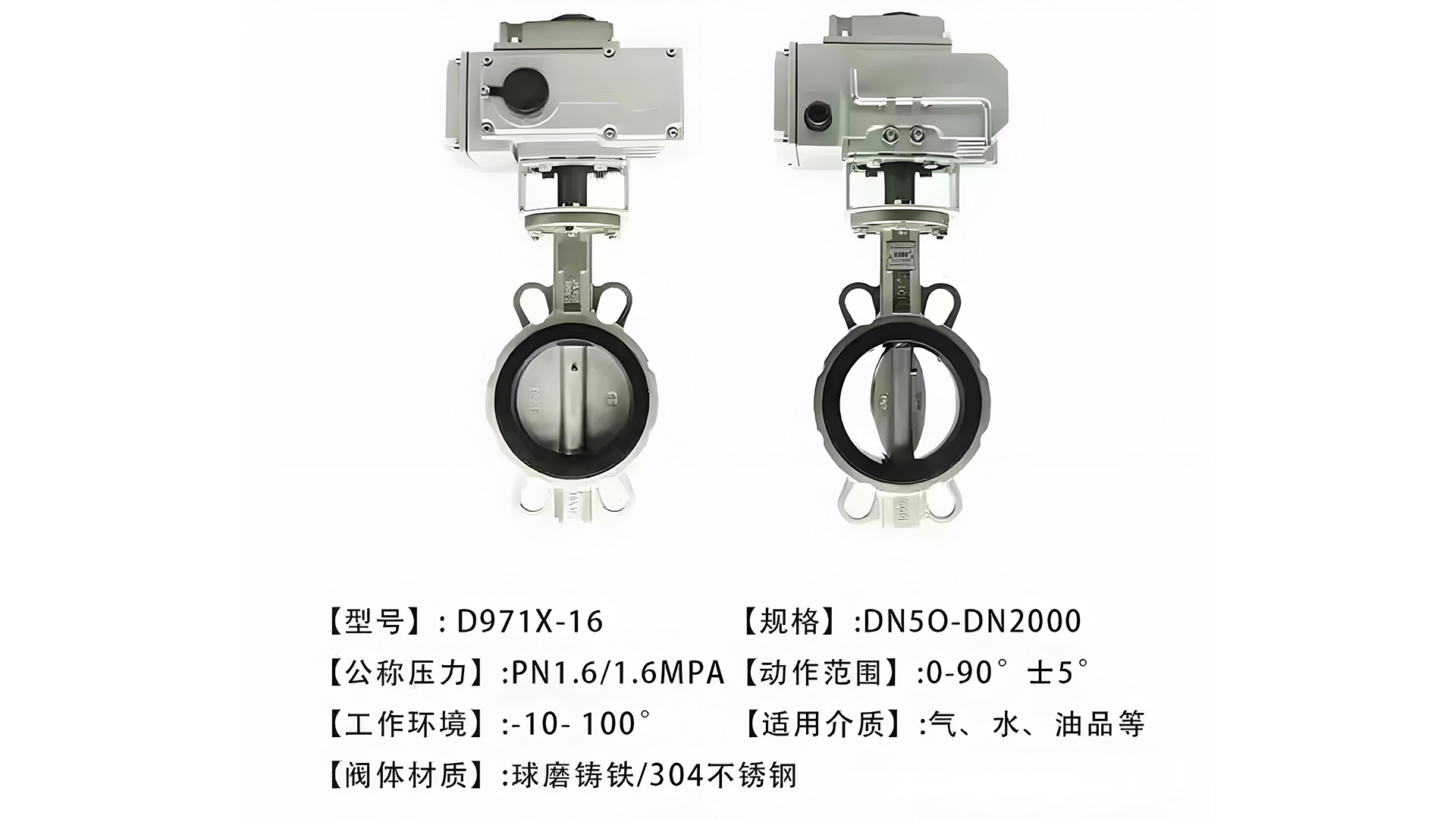
Electric valves are powered by an electric motor and are typically equipped with a reduction mechanism (gearbox, worm gear) to convert high-speed motor rotation into valve rotation or linear motion. Drive motor types include stepping motor, servo motor and asynchronous motor, and motor power is configured according to valve diameter and Pressure grade. The electric valve integrates intelligent control modules (PLC, frequency converter) to achieve remote automatic control through 4-20mA or digital signals, and has position feedback (encoder, potentiometer) to achieve closed-loop adjustment.
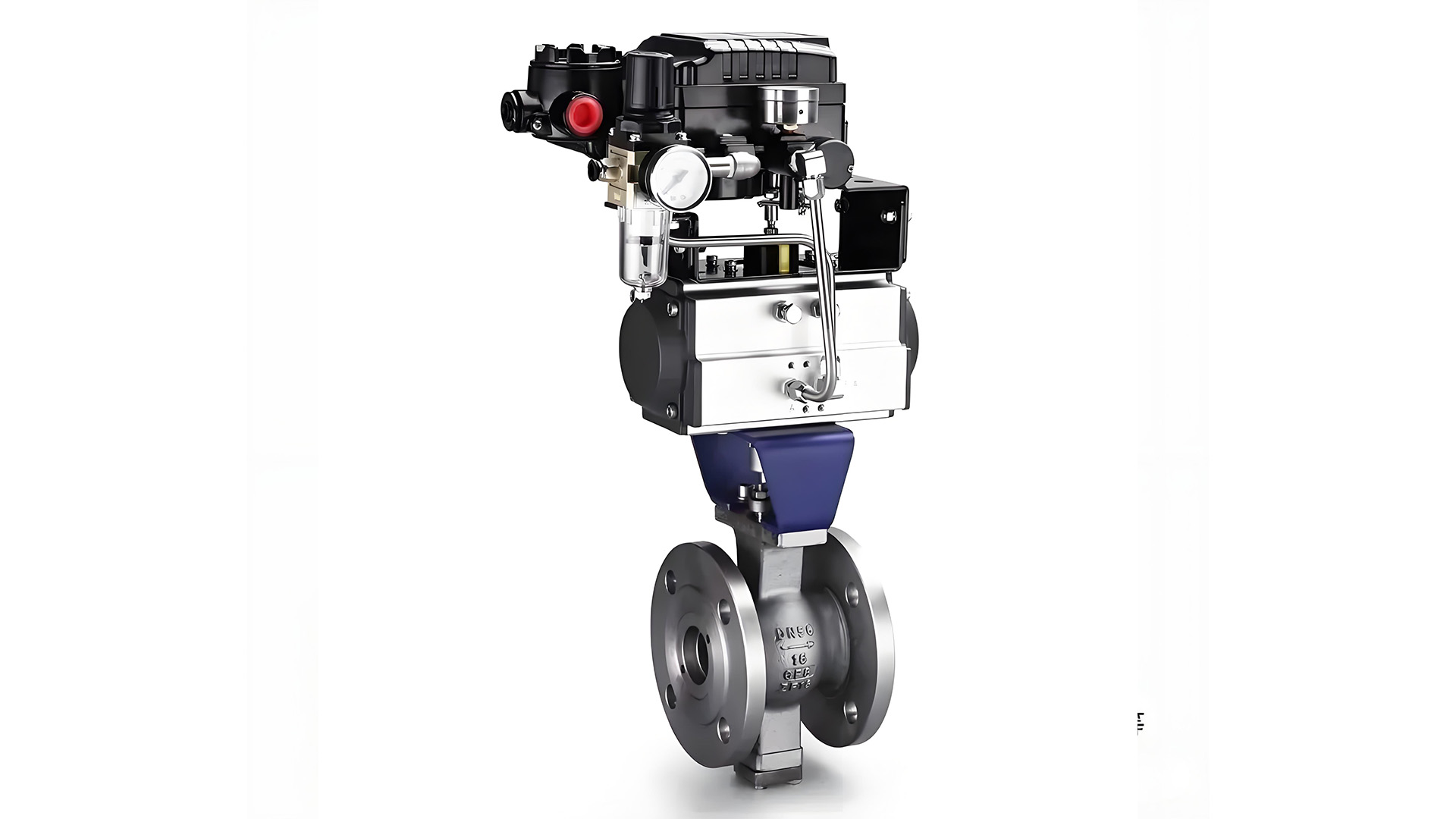
Pneumatic valves rely on compressed air to drive, with the core being a single acting or double acting cylinder. The reciprocating motion of the piston drives the valve core to open and close. The air source processing unit includes an air filter, a pressure reducing valve, and an oil mist device to ensure a clean and stable air source. Pneumatic valves are equipped with control accessories such as solenoid valves, positioners, and limit switches, supporting rapid response and status feedback to meet stable operation requirements under harsh working conditions.
2、 Advantages and disadvantages of electric valves
Electric valves are known for their high-precision regulation, with a regulation accuracy of up to 0.1% -1%, suitable for fine flow control scenarios such as chemical reaction vessels; Strong intelligent integration capability, seamless integration with DCS and PLC, enabling remote monitoring and fault diagnosis. Electric valves have high output torque capability, can drive large-diameter valves (such as DN1200 butterfly valves with 15kW motors), and operate with noise levels below 60dB, making them suitable for environments that are sensitive to environmental noise. In addition, electric valves have flexible power supply and are suitable for areas without gas sources.
However, electric valves have defects such as high explosion-proof design costs, large starting currents, and complex maintenance. When the power grid is cut off, it cannot automatically operate and emergency manual devices or UPS must be configured to ensure safety. Working conditions with high humidity or high dust levels increase the difficulty of maintenance. The problem of motor lubricating oil solidification in low-temperature environments also limits its application scope.
3、 Advantages and disadvantages of pneumatic valves
Pneumatic valves have inherent safety advantages, no electric sparks generated, suitable for flammable and explosive environments, and do not require additional explosion-proof measures. Its action speed is fast, and the cylinder response time can reach 0.1-0.5 seconds. The single acting cylinder can be spring reset to achieve automatic fault shutdown. Pneumatic valves have a simple structure, strong corrosion resistance, and are suitable for high temperature, humidity, and salt spray environments. They have low maintenance costs and long cycles. In terms of energy consumption, pneumatic valves only consume compressed air during operation, which is energy-saving and efficient.
However, pneumatic valves are highly dependent on gas sources and require the installation of compressed air systems, resulting in higher initial investment and maintenance costs. The adjustment accuracy is limited by the Pressure fluctuation of the air source, which is difficult to meet the requirements of high-precision control. Large diameter valve cylinders have a large volume and are inconvenient to install and maintain. The noise generated during the operation is relatively high (80-90dB), and the problem of air path icing in low-temperature environments needs to be solved by freeze-drying equipment.
4、 Comparison of typical industry applications
In the field of petrochemicals, electric valves are commonly used for remote shut-off and precise temperature and flow regulation in tank areas, while pneumatic valves are used for high-temperature flue gas butterfly valves and emergency shut-off valves. The power industry uses electric valves to drive large-diameter main steam pipe regulating valves and nuclear safety valves, while pneumatic valves are mostly used for fast gates and corrosion-resistant slurry valves in hydropower stations. The food and pharmaceutical industry has a prominent demand for high-precision positioning and low leakage rate of electric valves, while pneumatic valves ensure product hygiene and safety with their fast opening and closing advantages and no dead corners design. The water treatment industry flexibly chooses between the two based on working conditions, such as electric drive for large gate valves and pneumatic drive for backwash valves.
5、 Selection principles and future development trends
The selection should prioritize safety, with pneumatic valves given priority in flammable and explosive environments, and electric valves preferred for high-precision flow control. Electric valves are recommended for large-diameter high-pressure applications, and electric solutions are preferred for remote areas without gas sources. In terms of technological development, electric valves are upgrading towards intelligence and IoT integration, achieving precise regulation and remote fault diagnosis; Pneumatic valves focus on energy conservation and consumption reduction, as well as the research and development of new high-efficiency cylinders. The hybrid drive valve combines the advantages of electric and pneumatic to improve system flexibility and safety assurance.
Both electric and pneumatic valve technologies have their own advantages, and users need to evaluate them comprehensively based on process requirements, safety standards, and economic costs. With the development of Industry 4.0 and intelligent manufacturing, both will continue to evolve towards intelligence and energy conservation, continuously improving the automation level and safety reliability of process industries, providing solid support for modern industrial production.